

In March, we saw Google’s AI Overviews continue to reduce organic traffic, while Discover and real-time content gain ground as alternative visibility channels. At the same time, AI search is reshaping behaviour, with users increasingly creating, expressing and making decisions without ever clicking through. Meanwhile, agentic commerce is consolidating around closed ecosystems, social platforms are capturing a growing share of search behaviour, and paid media is becoming more product-led, automated and embedded into the moment of intent. Across every channel, the direction is the same: faster answers, fewer clicks, and greater reliance on AI to surface what matters.
Here’s what changed across Google, AI, Agentic, Social, and Paid and what it all means for brands navigating the next phase of search.
Google Search
AI Overviews continue to reshape search behaviour with Discover and Google News gaining traction. Google is also improving measurement through better attribution tools, while simplifying SERPs and expanding AI-generated experiences across visuals and health.
AI Overviews cut search clicks by 42%
New data shows organic search clicks have dropped 42% since the expansion of AI Overviews. Across Google Search, Discover, and Google News, breaking news traffic grew 103% from November 2024 through early 2026.
Why it matters: SEO is shifting from traffic capture to visibility within AI answers, where users are increasingly getting what they need without clicking. Evergreen content recently started losing relative value, while timely, relevant content is gaining traction. Publishers and brands who haven’t already made the shift, need to diversify their approach beyond traditional search to maintain reach and engagement.
Google expands branded queries filter in Search Console
Google has rolled out its branded queries filter to all eligible Search Console properties, allowing clearer separation between branded and non-branded performance across search.
Why it matters: This provides much-needed clarity in attribution, helping teams distinguish between brand-driven demand and true organic discovery. It enables more accurate reporting to stakeholders and supports better decision-making around where to invest, whether in brand building or search optimisation.
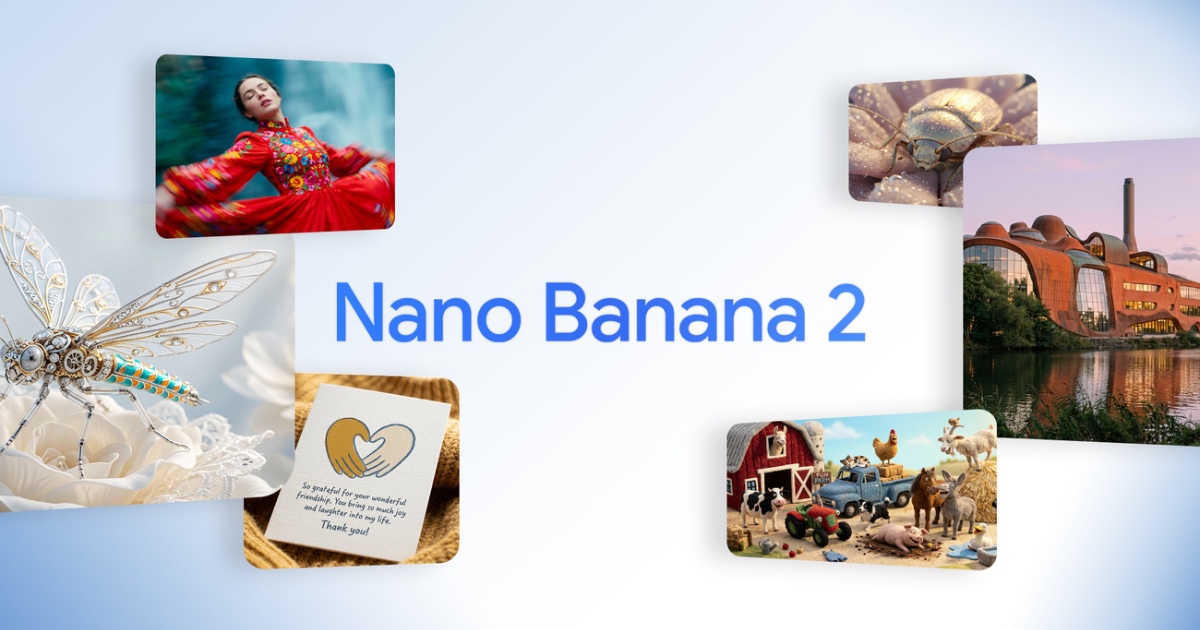
Google introduces Nano Banana 2 for AI image generation
Google released Nano Banana 2, an upgraded image generation model offering faster output, improved realism, and better text rendering. It is now integrated across Gemini, Search AI Mode and Lens.
Why it matters: AI-generated visuals are becoming part of the search experience itself, not just a supporting asset. Faster and higher-quality generation allows brands to scale visual production while meeting rising expectations. This also signals the need for clearer AI-led visual strategies as these formats become more embedded in discovery.
Google removes ‘What People Suggest’ from health results
Google has removed the “What People Suggest” feature from health-related searches, simplifying the SERP and reducing the visibility of user-generated opinions.
Why it matters: This reflects a continued shift toward prioritising authoritative, expert-led content in sensitive categories. By reducing the prominence of public opinion, Google is reinforcing the importance of trust and credibility signals. Strong E-E-A-T foundations will be increasingly critical for maintaining visibility in these areas.
AI Search
AI search is no longer just an evolution of querying, it’s expanding how people interact with information. New data shows users are asking, creating, and expressing across platforms, while traffic declines reinforce that visibility now depends on being selected and recommended by AI, not just ranked.
48% of AI searches reflect new behaviours beyond traditional queries
A recent study shows that 48% of AI prompts fall into “doing” and “expressing” behaviours, rather than traditional “asking.”
- Asking (51.6%) – information queries
- Doing (34.6%) – task-based creation
- Expressing (13.8%) – opinions, validation
Why it matters: Search is becoming expansionary rather than replacement-based, with users moving fluidly across platforms depending on their intent. This means brands need to understand how different channels serve different roles in the journey, from discovery to creation to validation. Those that take an omnichannel view of search behaviour will be better positioned to stay visible as user journeys become less linear.
Search referral traffic declines as AI usage grows
Data shows search referral traffic is down 60% for small publishers, with a 33% global drop in Google referrals. While ChatGPT traffic is up 200%, it still accounts for only ~1% of referrals.
Why it matters: User behaviour is clearly shifting toward consuming answers within AI interfaces rather than clicking through to sites. As a result, traffic is becoming a less reliable indicator of search performance. Brands and marketers need to rethink success metrics, focusing more on visibility and influence within AI-driven environments rather than sessions alone.
Google expands Gemini across Workspace tools
Google has embedded Gemini across Workspace (Docs, Sheets, Gmail), allowing users to generate content, analyse data, and pull insights without leaving the interface.
Why it matters: AI is moving from a supporting tool to the primary interface through which users access and interact with information. This reduces reliance on traditional search journeys and increases the importance of being included in AI-generated outputs. Brands must ensure their content is structured, clear, and authoritative enough to be surfaced and reused by these systems.
Agentic Search
AI-driven commerce is consolidating fast, with fewer open integrations and more platform-controlled ecosystems. Discovery and purchase are beginning to merge into a single AI-led experience, where transactions can happen without users ever leaving the interface.
OpenAI and Amazon strengthen control over agentic commerce
Amazon is leveraging OpenAI to power AI-driven shopping within its ecosystem, while the previously announced Shopify–OpenAI partnership appears to have faded. This signals a move away from open integrations toward more tightly controlled, platform-led commerce environments.
Why it matters: The balance of power is shifting toward platforms that control both discovery and transaction. As AI-led shopping consolidates, brands may become increasingly dependent on a smaller number of ecosystems for visibility and sales. Those not integrated into these environments risk losing both reach and relevance.
Shopify merchants to pay 4% fee on ChatGPT checkout
Shopify merchants will pay a 4% fee to OpenAI on sales made through ChatGPT checkout, on top of existing payment processing costs. This allows users to complete purchases directly within the chat interface.
Why it matters: AI commerce is adopting marketplace-style economics, not an open web model. As these fees stack, margins will be impacted and brands will need to factor AI platforms into their cost structures. This also reinforces that transactions are shifting into AI interfaces, not brand-owned environments.
Social Search
Social platforms continue to gain share in discovery, with more searches happening on TikTok, YouTube, Reddit and beyond. As social content increasingly feeds both search results and AI answers, visibility now depends on showing up across platforms, not just on Google.
Facebook launches new monetisation programme to attract creators
Facebook has introduced a “Creator Fast Track” programme, offering top creators from TikTok, Instagram and YouTube guaranteed monthly pay and boosted reach for up to three months. The platform paid nearly $3 billion to creators in 2025, up 35% year-on-year, alongside new metrics like “qualified views” and “earnings rate.”
Why it matters: Facebook is actively competing for creator attention, which will influence where audiences spend time and where brands need to show up. Increased creator activity means more content supply and potentially more cost-efficient paid opportunities. For brands investing in creators, this opens up new cross-platform strategies and activation choices.
5.5% of all searches now happen on social platforms
Search behaviour is continuing to fragment, with around 5.5% of all searches now taking place on social platforms like TikTok, YouTube, Reddit and Pinterest – a figure that is steadily growing. For many categories social search already accounts for a significant portion of total searches, with 26% in pet food and 38% in personal care.
Why it matters: Discovery is no longer centralised on search engines, with users turning to social platforms for recommendations, validation and inspiration. Social content is also feeding into AI answers, amplifying its influence beyond the platform itself. Brands must now optimise for visibility across multiple channels, adopting a true “search everywhere” approach.
Paid Search
Search ads are becoming more product-led and visually driven, with real-time inventory and automation shaping how campaigns are built and delivered. Google continues to simplify its ecosystem as it pushes advertisers toward AI-driven formats and tighter integration between shopping, search, and media.
Google brings vehicle feeds to Search campaigns
Google Ads now allows automotive advertisers to connect vehicle inventory from Merchant Centre directly into Search campaigns. Ads can now display make, model, price, and images alongside text, with users clicking through to specific listings or broader landing pages.
Why it matters: Search ads are becoming more inventory-driven and transactional, bringing shopping-style formats into standard campaigns. This increases relevance and conversion potential by surfacing real products at the moment of intent. For advertisers, it opens new opportunities to rethink creative and strategy around live inventory rather than static messaging.
Google retires several legacy ad format policies
From March 17th, Google removed multiple outdated ad format policies, directing advertisers toward modern policies built for automated and AI-driven campaign types.
Why it matters: This simplifies compliance and reflects Google’s continued shift toward automation as the default. Advertisers need to align with current formats and ensure campaigns are built for AI-led delivery. It also signals fewer manual controls and a greater reliance on data, inputs, and clear objectives to guide performance.
What Happened Last Month
February marked a turning point as AI, regulation and monetisation collided across the search landscape. EU publishers formally challenged Google’s AI Overviews, while Google launched its first Discover-specific core update, turning Discover into its own visibility battleground. AI search continues to evolve, with more prominent source links in Overviews and growing evidence that AI is influencing decisions long before a click. At the same time, conversational AI officially became a paid media channel as ChatGPT began testing ads, agentic infrastructure accelerated with new standards and AI-performance measurement tools, and social visibility grew more tightly connected to search exposure.
Read the full February Search Update here.