
In May, AI search moved further into the infrastructure of discovery. Google confirmed that optimising for generative AI is still SEO, while AI Mode surpassed one billion users and Amazon brought conversational AI directly into shopping search. At the same time, agentic search accelerated with always-on AI agents and new commerce protocols, while TikTok expanded visual search and began surfacing more visibly in Google results. Meanwhile, paid media pushed deeper into AI-led discovery, with Google expanding AI-generated ads, TikTok testing ad-free subscriptions and ChatGPT ads moving into more markets. Across every channel, the direction is clear: search is becoming more conversational, more automated and more tightly connected to commerce.
Here’s what changed across Google, AI, Agentic, Social, and Paid and what it all means for brands navigating the next phase of search.
Google Search
Optimising for Gen AI is SEO
Google’s Search Central published an official guide, “Optimising your website for generative AI features on Google Search”. Among several takeaways, Google explicitly stated that optimising for generative AI search is optimising for the search experience – and is therefore still SEO. It frames terms like AEO and GEO as simply describing the same underlying work.
Why it matters: This is official confirmation of what we have long promoted: GEO and AEO are not new disciplines but extensions of SEO best practice. The guidance reinforces that strong fundamentals – quality content, technical health and structured data – remain the route to visibility across AI surfaces, rather than a separate playbook.
Google to No Longer Support FAQ Rich Results
Google has confirmed that FAQ rich results will no longer appear in Search, with the related Search Console reporting and Rich Results Test support being withdrawn. The visible feature was switched off on 7 May 2026, with reporting due to be retired in June. Google has indicated the markup still helps it understand a page, but it is no longer tied to a visible SERP feature.
Why it matters: This is not a major surprise – FAQ schema was deprioritised some time ago – but it appears to be a complete removal of the SERP benefit, possibly a response to excessive use aimed at LLM visibility. The risk of retaining FAQ schema remains limited where the content is genuinely useful, but the CTR and real-estate returns are now reduced.
Google May 2026 Core Update Rolling Out Now
Google began rolling out the May 2026 core update on 21 May, the second core update of the year. Core updates introduce broad, significant changes to Google’s ranking systems and algorithms, which is why they are announced. As with any core update, results can shift noticeably while the rollout completes.
Why it matters: Core updates can cause meaningful ranking volatility, and there is no single fix if a site is affected – recovery typically comes through sustained content quality rather than a targeted change. Teams should monitor rankings closely over the coming weeks and act only where a clear pattern emerges.
AI Search
Amazon Brings AI Directly Into the Shopping Search Bar
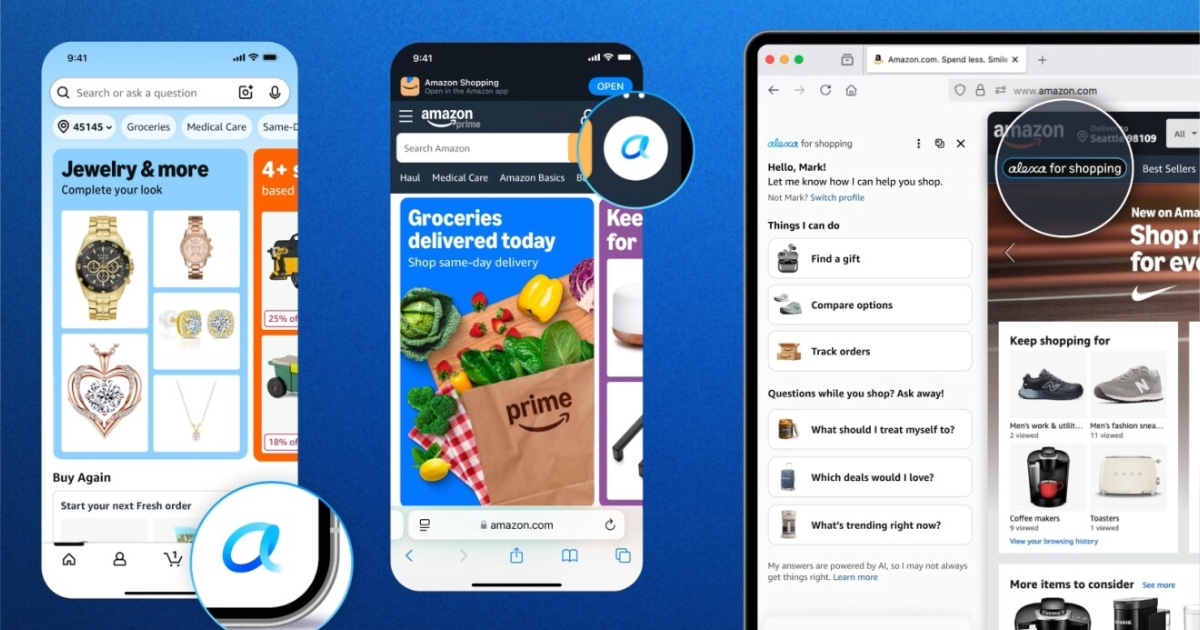
Amazon launched “Alexa for Shopping” on May 13th, embedding a personalised AI shopping assistant directly into its main search bar for all US customers. Users can now hold a full conversation about what they are looking for – comparing options, asking questions, and narrowing choices – before making a purchase decision, without leaving the search bar.
Why It Matters: The search bar is no longer just a query box – it is a sales conversation. For brands selling on Amazon or competing in e-commerce, product descriptions, reviews, and content need to be optimised for conversational AI retrieval, not just keyword matching. Discovery and transaction are becoming a single, uninterrupted experience.
Google AI Mode Hits One Billion Users as the Search Box Gets Its Biggest Redesign in 25 Years
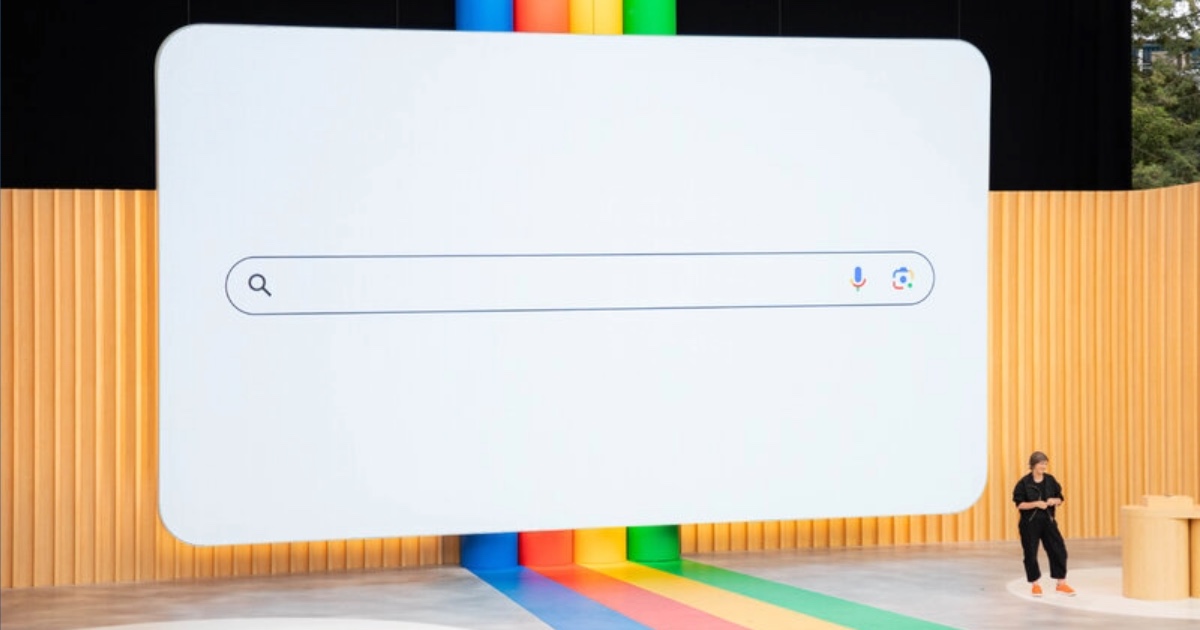
At Google I/O on 19 May, Google confirmed AI Mode has surpassed one billion monthly users, with queries more than doubling each quarter since launch. It also unveiled the biggest redesign of the Search box in 25 years – now AI-powered, dynamically expanding and able to accept text, images, files, video and Chrome tabs as inputs, with Gemini 3.5 Flash as the default AI Mode model.
Why It Matters: The entry point to search is being rebuilt around conversation and multimodal input, and a billion users are already there. The underlying index is the one SEO has always optimised for, but the experience layered on top increasingly answers within the page. Optimising for longer, conversational queries and being citable inside AI responses is now core, not experimental.
Google Removes the Signal for Tracking AI Overview Clicks
In early May 2026, Google removed the method that allowed sites to identify clicks originating from AI Overview results, with no replacement confirmed. For now, AI Overview presence can only be monitored through rank-tracking tools rather than traffic analytics, widening the gap between AI-driven influence and attributable sessions.
Why It Matters: AI increasingly shapes decisions during the consideration stage, yet those interactions often never produce an attributable click – and this change removes one of the few signals we had. This is a structural measurement problem, not an analytics setup issue. Expect to lean harder on rank tracking, brand-search lift, self-reported attribution and share-of-voice in AI answers to evidence value.
Agentic Search
Google Launches AI Search Agents That Work 24/7 Without You
Announced at Google I/O, Google’s new “information agents” operate in the background around the clock, monitoring the web, tracking changes, and delivering synthesised updates without a single query from the user. Agents can book local experiences, call businesses on your behalf, and alert you to new listings matching your criteria. Launching this summer for Google AI Pro and Ultra subscribers first.
Why It Matters: Search is no longer something you do, it is something that happens for you. For brands, this means your content needs to be continuously fresh, structured, and AI-readable at all times, not just when a user happens to search. Brands that go quiet between campaigns will simply stop existing in this new layer of discovery.
Blocking AI Bots Cost Publishers 23% of Their Traffic
New research confirms that large publishers who blocked AI crawlers from their sites lost 23% of total traffic, including a 14% drop in human visitors. The drop was significant enough that several publishers reversed their blocking decisions shortly after implementing them. The effects varied by publisher size, with some mid-sized sites seeing mixed results.
Why It Matters: Blocking AI access does not protect your audience, it removes you from the discovery pipeline entirely. As AI-mediated search becomes the primary way users find content, opting out of AI indexing is effectively opting out of visibility. For content teams, the priority should be optimising for AI citation, not guarding against it.
The Agentic Commerce Protocol Race Heats Up: UCP vs ACP
Open standards for letting AI agents transact are consolidating. Google and Shopify’s Universal Commerce Protocol (UCP) and OpenAI and Stripe’s Agentic Commerce Protocol (ACP) now span discovery through checkout, and Shopify has begun auto-activating “Agentic Storefronts” for merchants – syndicating catalogues to ChatGPT, Google AI Mode, Perplexity and Microsoft Copilot unless they opt out. eMarketer projects AI platforms will drive around $20bn in retail spend in 2026.
Why It Matters: Whether a brand gets surfaced or skipped by a shopping agent is increasingly decided by structured product feeds and protocol participation, not page rankings. For omnichannel teams this adds a new discoverability layer with its own feed structures, checkout flows and attribution models to maintain. Auditing how products appear across these agents – and whether you are opted in – is becoming a near-term priority.
Social Search
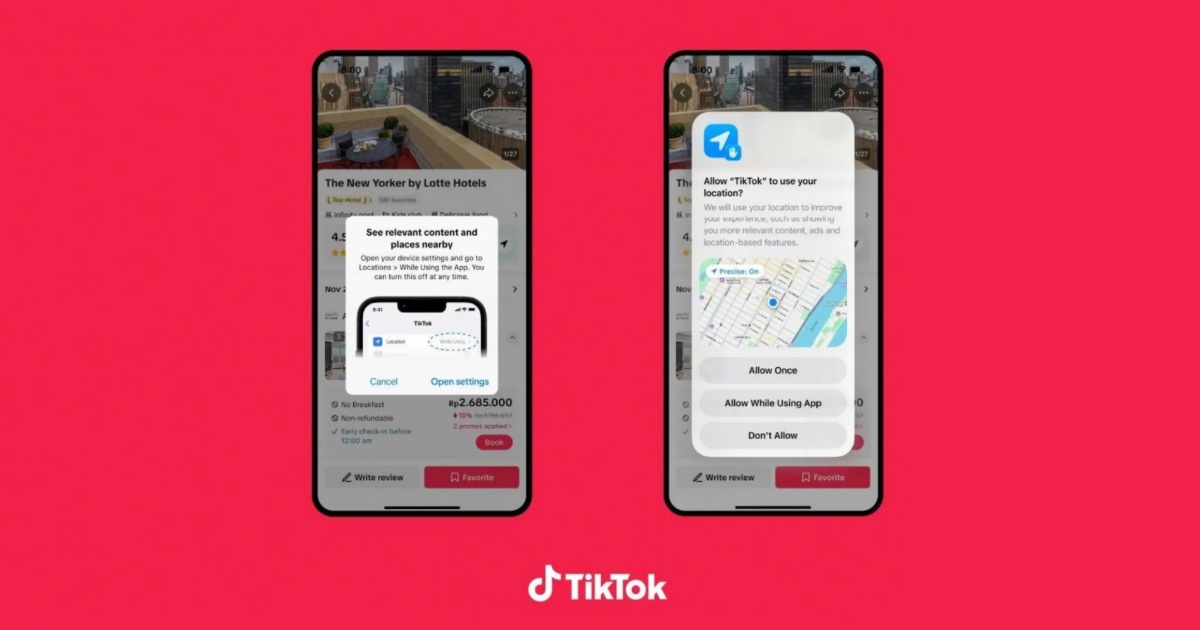
TikTok Expands Visual Search and Hands Creators the Controls
TikTok continued building out visual search, letting users surface products and related content directly from videos via a “Find Similar” option, and – as of mid-May – giving creators the ability to enable or disable visual search on their own content. The move deepens TikTok’s shift from entertainment feed to product-discovery engine.
Why It Matters: Visual search turns every video into a discoverable storefront, rewarding clear product framing, accurate on-screen detail and strong thumbnails. For brands it raises the value of consistent visual merchandising in organic content, while the new creator controls mean visibility can no longer be assumed – it has to be deliberately enabled and optimised.
TikTok Content Is Now Surfacing in Google’s Web Results
TikTok video titles and captions are increasingly appearing in standard Google web results, mirroring the integration Instagram rolled out in mid-2025. TikTok posts are no longer competing only for the For You Page – they are competing for traditional search real estate, making keyword-rich, structured captions and geo-tagging materially more important.
Why It Matters: Social and traditional search are converging at the SERP. Content created for TikTok now needs to be written with discoverability in mind – specific, keyword-led captions over emoji-heavy copy, and location tags for local relevance. For omnichannel strategy, social content becomes a genuine organic-search asset, and older high-performing posts may be worth re-optimising.
2026 Data Refines the Gen Z “Social vs Google” Search Picture
New 2026 analysis nuances the headline that Gen Z has abandoned Google. The data suggests Gen Z uses social platforms for discovery-driven, lifestyle and visual queries, while still turning to Google for factual, transactional and high-stakes searches – with around 41% reaching for social first for online searches and TikTok used for product discovery by a large majority.
Why It Matters: This is not a zero-sum shift but a splitting of intent by query type and journey stage. The strategic question is no longer “social SEO or Google SEO?” but which platform an audience uses for each kind of query. For omnichannel search, it argues for mapping content to intent across surfaces rather than betting on a single channel.
Paid Search
Google Pushes AI Generated Ads Further Into Search Results
Google is expanding AI-powered advertising across Search and AI Mode. New ad formats include conversational discovery ads, highlighted answer ads, and AI-generated sponsored recommendations built using Gemini models. Advertisers can influence messaging through AI tools, but Google is automating more of the customer journey.
Why It Matters: Paid search is moving beyond keyword targeting into AI-driven discovery. Search marketers will increasingly need to optimise content and feeds for answer engines rather than traditional SERPs alone. Creative inputs and structured data may become more important than manual ad copy creation.
TikTok Is Letting UK Users Pay to Remove Ads
TikTok is introducing a £3.99 monthly ad-free subscription in the UK. Users who subscribe will avoid ads and disable advertising-related data usage. The rollout initially targets users aged 18+.
Why It Matters: If adoption grows, advertisers could see inventory changes and audience targeting implications. It also reflects a broader industry trend toward balancing advertising models with consumer privacy expectations.
Google Ads Rolls Out Journey-Aware Bidding And New Pacing Controls For Advertisers
Google announced updates to Search, Shopping and Performance Max campaigns, including a new Journey Aware Bidding beta feature that optimises toward the full customer journey rather than only front end conversion actions. The platform also introduced smarter budget pacing and expanded AI powered bidding tools to improve campaign efficiency and responsiveness to demand shifts.
Why It Matters: This is significant for paid search teams because Google is moving further toward AI led optimisation and automation. Media buyers may need to rethink bidding strategies, attribution models and lead quality measurement as campaign management becomes increasingly algorithm driven. The update also reinforces the growing importance of first party data and conversion quality signals in search performance
OpenAI Expands ChatGPT Ads With New Buying Tools And Global Rollout
OpenAI is expanding advertising inside ChatGPT following its initial US pilot, introducing new advertiser capabilities including CPC bidding, enhanced measurement tools, and a self-serve Ads Manager platform. OpenAI is also expanding ChatGPT ads testing into additional markets including the UK, Brazil, Japan, South Korea and Mexico. The move signals OpenAI’s push toward building ChatGPT into a scaled advertising platform while maintaining controls around privacy and ad transparency.
Why It Matters: This marks the emergence of a new paid media channel that sits between search and social. Unlike traditional SERPs, ChatGPT captures users during discovery and consideration moments, potentially creating new opportunities for intent driven advertising. Search marketers should monitor how conversational advertising evolves because it could influence budget allocation, measurement frameworks, and optimisation strategies across paid search programs.
What Happened Last Month
In April, Google’s most volatile core update in years reshaped rankings at scale, while new data confirmed AI’s rapid growth alongside – not instead of – traditional search. At the same time, AI models became more autonomous, agentic search matured into a clear optimisation discipline, and platforms tightened control over commerce and visibility. Meanwhile, social platforms strengthened their role as search engines, and paid media moved further into closed, AI-driven ecosystems – from Apple’s expansion into ads to ChatGPT’s shift toward performance bidding. Across every channel, the direction is clear: fewer open journeys, more platform control, and rising pressure on brands to be selected, not just found.
Read the full March Search Update here.